
Learning in the Age of the Infinite Mind: Reimagining Education Through Artificial Intelligence
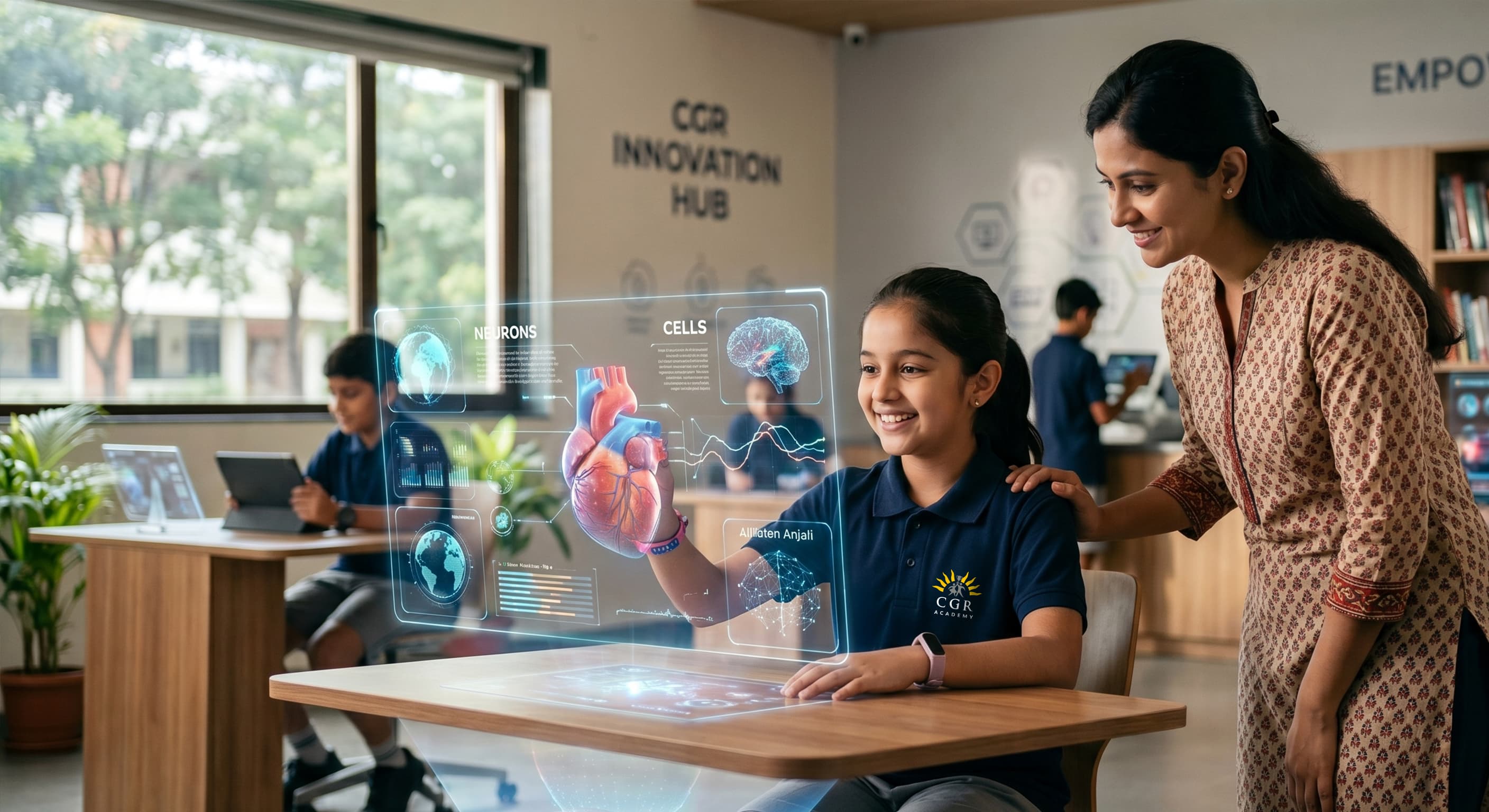
There’s a quiet shift happening, and it doesn’t really announce itself loudly. It’s just there in small moments. A student asking a question and getting an answer instantly. A teacher pausing, not to think, but to check what an AI tool suggests. It feels subtle, but also a little unsettling if you sit with it long enough. Learning used to feel slower. Not better or worse, just slower. There was time to not know something. Now, that space is shrinking. With AI learning, answers don’t wait. They appear almost as soon as the question forms, and that changes something deeper than just speed.
The Strange Comfort Of Always Knowing
There’s something comforting about having answers nearby all the time. It makes things feel less heavy. A difficult concept doesn’t stay difficult for long. But then there’s this small question that lingers, what happens to curiosity when nothing stays unknown for very long? It’s not that learning disappears. It just starts to look different. Instead of struggling through confusion, students might start skipping straight to clarity. That sounds efficient, but maybe something is lost in that jump. Even in places like the best schools in Hyderabad, where resources are already strong, AI tools are becoming part of everyday learning. And it’s not hard to see why. They make things easier. But ease isn’t always the same as understanding. At CGR Academy, we gently guide learners to sit with questions a little longer, helping curiosity grow instead of rushing to quick answers.
The Classroom Is Quietly Changing
Walk into what people now call an AI classroom, and it doesn’t look dramatically different at first. There are still desks, still teachers, still that low hum of activity. But underneath, something has shifted. Students aren’t just listening anymore. They’re interacting with systems that respond to them individually. It sounds ideal, learning tailored to each person. But then again, learning was never just about getting the right answer. It was also about the shared confusion, the collective figuring things out. In many international schools in Hyderabad, this balance is still being worked out. How much of learning should be guided by machines? And how much should remain messy, human, unpredictable?
Human Thinking Meets Machine Thinking
The conversation around human intelligence and artificial intelligence often sounds bigger than it needs to be. It doesn’t always have to be about competition or replacement. Sometimes it’s just about noticing how they sit next to each other. Human thinking is slow in a certain way. It loops, it forgets, it makes odd connections. AI thinking is fast, direct, and strangely confident. When these two meet, learning becomes something else entirely. Maybe the real question isn’t whether AI makes learning better. It’s whether it changes what we think learning is supposed to feel like.
A Quick Turn Toward Something Unexpected
It’s interesting how trends in one area reflect something happening somewhere else. Take how people are talking about new technological shifts right now. The outcomes often look the same, they serve the same purpose, and in many cases, they’re even preferred. But there’s still this quiet debate about what feels “real.” Learning with AI has a similar tension. The outcome might look right. The answers might be correct. But there’s still that question of experience. Did the process matter? Or is the result enough? That question doesn’t have a clear answer yet.
Schools Are Still Figuring It Out
In places like CBSE international schools in Hyderabad, there’s an ongoing effort to adapt without losing something essential. AI tools are being added, but carefully. There’s a sense that once something changes too quickly, it’s hard to go back. Teachers are in a strange position now. They’re not just teaching subjects anymore. They’re also guiding students on how to think with tools that can think for them. That’s not a small shift. And students, whether they realize it or not, are learning a new kind of balance. When to rely on AI, and when to step away from it. At CGR Academy, we consciously balance AI-driven learning with human insight, ensuring students know not just how to find answers, but how to think beyond them.
Maybe Learning Was Never Fixed Anyway
It’s tempting to think that learning had a stable shape before AI came along. But maybe it didn’t. Maybe it’s always been changing, just not this quickly. What feels different now is the pace. And maybe the scale. The idea that knowledge isn’t just accessible, but almost unavoidable. That can feel exciting. It can also feel a bit overwhelming.
Where Learning Finds Space To Grow Naturally
At CGR Academy, we have always believed that education should feel alive, not rushed or mechanical. Spread across a thoughtfully designed campus, our spaces allow children to learn, question, and simply be themselves while learning. With tech-integrated classrooms, science and design thinking labs, and even immersive tools like VR, we create an environment where ideas don’t feel limited to textbooks. But what truly matters to us goes beyond infrastructure. Our co-curricular programs, sports facilities, and creative studios quietly encourage students to discover parts of themselves they didn’t know existed. We see learning as something that happens in conversations, in play, and in those small moments of curiosity. Here, we focus just as much on emotional growth as academic strength, helping children build confidence, empathy, and independence in their own time and in their own way.
Final Thoughts
So this “infinite mind” people talk about, it’s not something far away. It’s already here in small ways. In classrooms, in homes, in late-night study sessions. And maybe the goal isn’t to fully understand it yet. Maybe it’s just to notice how it’s changing things. How it’s shaping the way people think, question, and learn. There’s still something deeply human about wanting to understand the world slowly, even when speed is available. That hasn’t disappeared. If anything, it might matter more now than it did before.